Routine Horse Vaccinations: Essential for Good Equine Health
Routine horse vaccinations are one of the easiest and most efficient ways to protect equids’ health against potentially fatal infectious diseases.

Routine horse vaccinations are one of the easiest and most efficient ways to protect equids’ health against potentially fatal infectious diseases.

Think botulism can’t happen to your horses? Think again. An owner describes her mare’s battle with the deadly disease.

Critical conditions such as colic, injuries, and dehydration can strike when you’re at a competition with your horse. Here’s how to handle them.
A brief period of fasting prior to omeprazole administration could help maximize drug absorption and, thus, efficacy.

The unvaccinated 9-year-old pony mare from Fauquier County has recovered.

An ulcer is an area of damaged and eroded tissue that leaves behind a painful divot (think of a canker sore or a bed sore). In this special report, take a “closer look” at gastric ulcers, an all-too-common equine stomach condition.

Describing age-related structural changes in senior horse hearts is a critical first step in recognizing pathologies. However, researchers say it’s too soon to know how those age-related changes affect horse health.

The 5-year-old Quarter Horse from Grant County has a favorable prognosis at this time and is receiving supportive care.

Officials are urging caution after a Quarter Horse mare from Suffolk, who was incompletely vaccinated—she received the initial vaccination against EEE, but not a follow-up booster—died late last month.

The unvaccinated 15-year-old gelding, from Addison, in Steuben County, began showing clinical signs on Aug. 4, was hospitalized Aug. 5, and is reportedly recovering from infection.

An automated feeder that provides grain in multiple small meals throughout the day might help reduce the prevalence of gastric ulcers in horses in training.
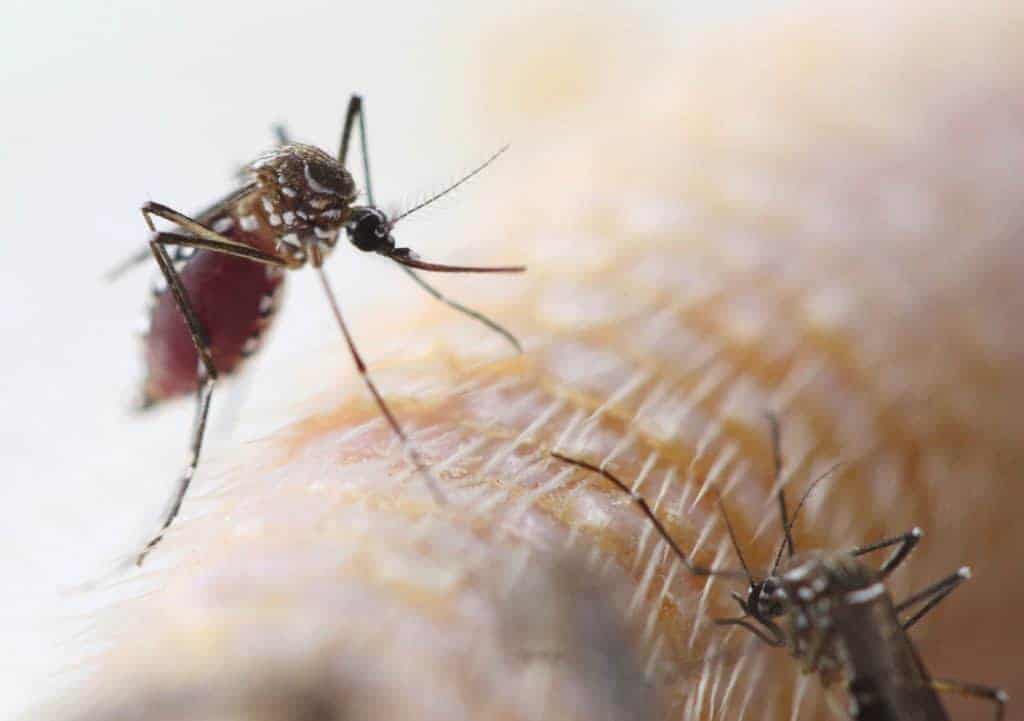
The 5-year-old mare from Chesterfield County had no vaccination history and died.
What do probiotics and their counterparts–prebiotics–do for horses? Here’s what the current research says.

Study findings suggest dose escalation can be used in equine lymphoma treatment to achieve higher chemotherapeutic dose intensity while minimizing adverse effects, researchers said.

A study shows that “ulcerated” horses didn’t seem to look or act significantly different from healthy horses.

Researchers used computer simulation models to assess the risk of disease spread from horse events and the effectiveness of various control protocols in the face of the outbreak at a home stable.