Botulism: Deadly to Horses
Horses are one of the most susceptible species to botulism. Find out how to protect your horse from this deadly neurologic disease.

Horses are one of the most susceptible species to botulism. Find out how to protect your horse from this deadly neurologic disease.

Officials have confirmed six cases of EEE in North Carolina horses residing in Richmond, Onslow, Duplin, Craven, and Carteret counties.

A pony from Frederick County, Maryland, died July 30 after contracting Potomac horse fever.

Horses residing in Musselshell and Lake Counties tested positive for WNV.

Veterinarians identified the positive horses, from Lamar County, through surveillance for an EIA trace initiated in another state.

The Georgia Department of Agriculture has confirmed EEE cases in horses residing in Bleckley, Colquitt, Cook, Lowndes, Jenkins, and Wayne counties.

Results from a study on a small population of horses suggest that freezing samples for short periods before testing won’t impact the results.
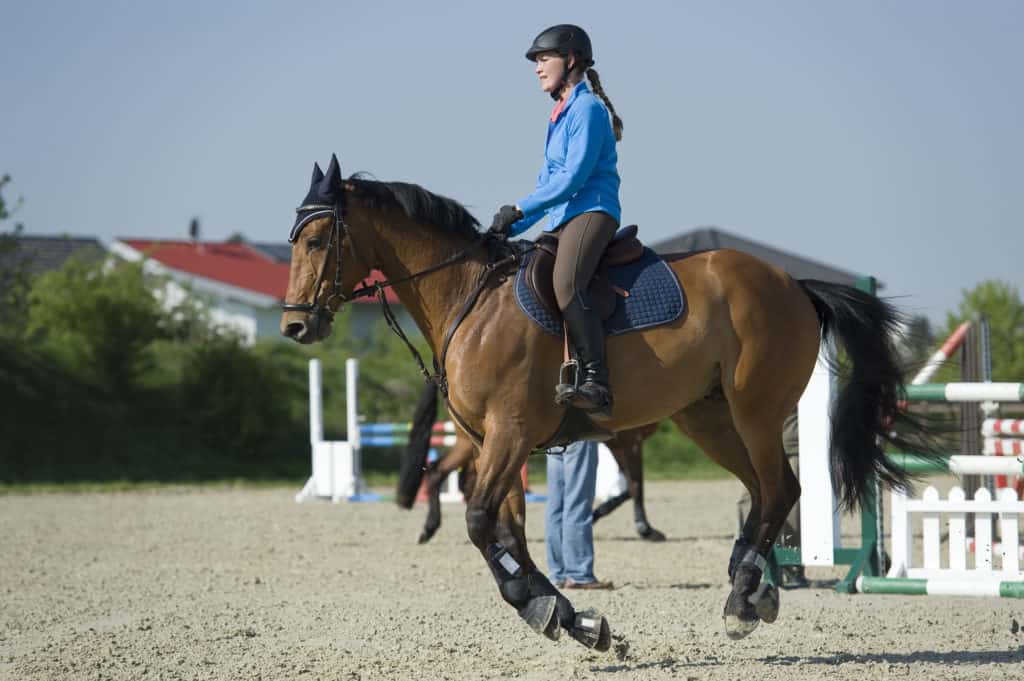
Researchers determined that the diet and exercise recommendations veterinarians make for horses with PSSM1 can help improve, but likely won’t eliminate, clinical signs of PSSM2 in Warmbloods.

Recent research suggests that chemotherapy can help horses with lymphoma achieve remission and extend their lifespans for several months or years.

A 3-year-old unvaccinated Miniature Horse stallion from Pine City presented with acute neurologic signs. He is currently receiving supportive care.

Horse are especially sensitive to endotoxemia. To address the issue, Dr. Stacy Anderson of Lincoln Memorial University, in Harrogate, Tennessee, presents her research on neutrophil apoptosis (the death of cells that occurs as a normal and controlled part of an organism’s growth or development) in horses.

Researchers also developed a genetic test to check for the “MYH1 mutation,” which can now allow owners and veterinarians to identify susceptible horses and screen breeding stock.

The North Carolina Department of Agriculture has confirmed EEE in an unvaccinated yearling donkey jenny in Duplin County.

One horse has died and several more are recovering after developing signs of Potomac horse fever (PHF) at the Liberty University Equestrian Center, in Lynchburg, Virginia.
The 2-year-old Quarter Horse filly is recovering with supportive care.

Although poison hemlock is often seen along roadways and in other nonagricultural sites, in recent years it has expanded into grazed pasture lands and hay fields. Here’s how to keep your horses and other livestock safe.