Rabies in the Horse and Beyond in Kentucky
Rabies is a zoonotic (capable of being transmitted from animals to humans) disease that is distributed nearly worldwide. Attention to the disease is primarily focused on preventive and control strategies.

Rabies is a zoonotic (capable of being transmitted from animals to humans) disease that is distributed nearly worldwide. Attention to the disease is primarily focused on preventive and control strategies.

Both EEE and West Nile virus are concerning horse owners not only from the potentially life-threatening consequences of either infection, but also from the economic losses involved. Here’s what to know about protecting your horse.
Confirmed diseases include influenza, EHV, strangles, nocardioform placentitis, piroplasmosis, EIA, and more.
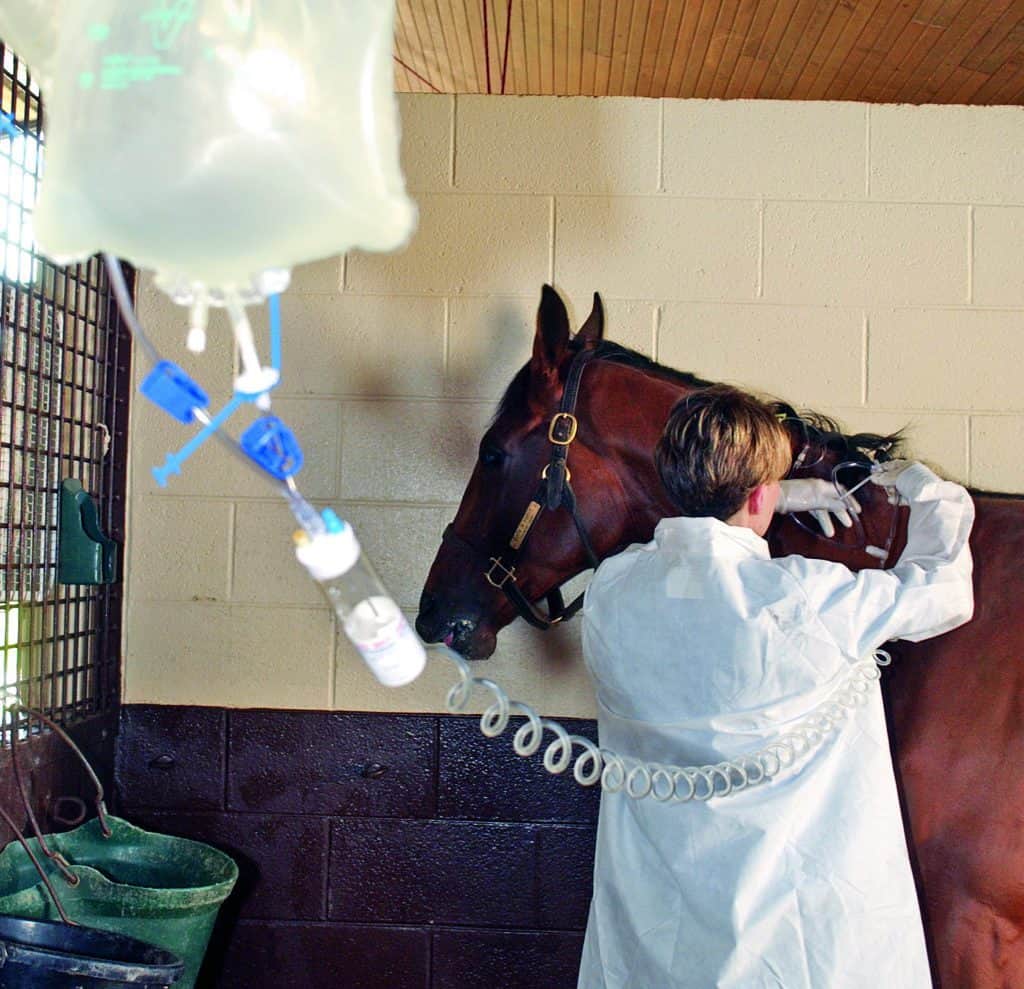
Theiler’s disease, or equine serum hepatitis, is an infrequent but sometimes life-threatening liver disease of adult horses.

Annual vaccination can help protect horses against mosquito-borne diseases, including EEE, WEE, and WNV.

Lyme disease is notoriously difficult to diagnose and has (or might not have) a myriad of vague (or not-so-vague) clinical signs in horses. Learn about this tick-borne disease and get your questions answered during our live Q&A.

The North Carolina Department of Agriculture and Consumer Services confirmed a 13-year old unvaccinated Draft-cross mare from Onslow County was positive for EEE on July 11.

We’ve compiled 10 resources to help you get and stay up to speed on Lyme in case you’re ever faced with an infected horse.

The EIA-positive horse will be euthanized, and animal health officials will conduct EIA tests on the remaining 42 equids on the index property.

A 4-year-old Quarter Horse stallion in Richmond County, North Carolina, has been euthanized after contracting EEE.

The affected horse’s home facility has been quarantined.

Health problems can arise when animals—including horses—and people come into contact with the various toxins produced by blue-green algae.

Dr. Kathleen MacMillan will discuss strangles’ clinical signs, diagnosis, and treatment, as well as ways to reduce the risk of infection on July 11.
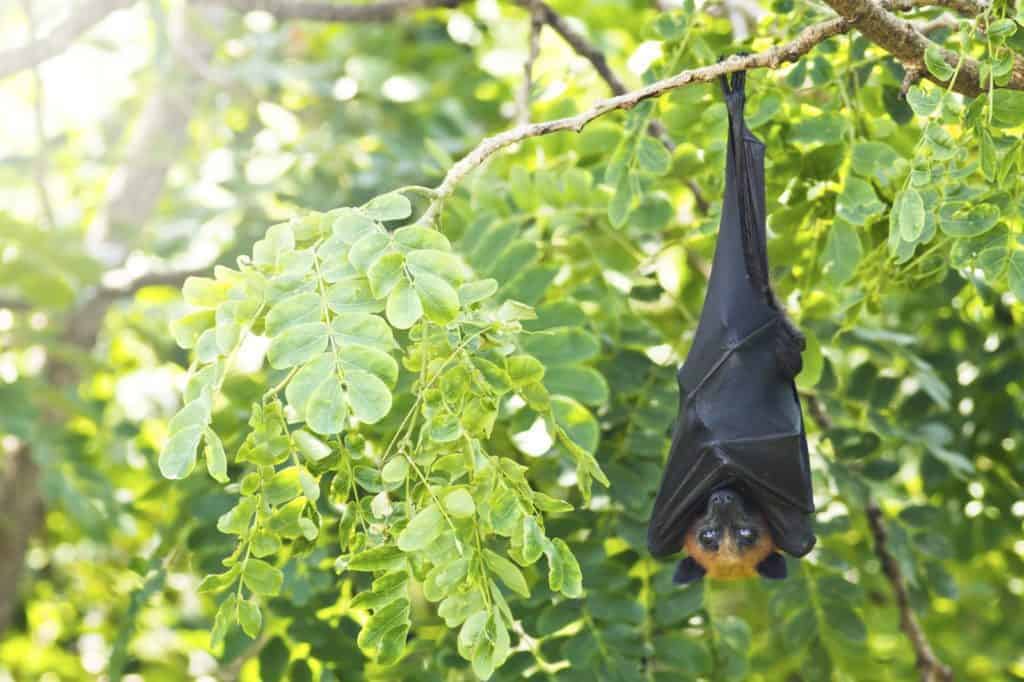
Researchers say climate change could send Hendra-infected bats farther south and in contact with new local horse populations in Australia’s southern coastal regions and inland territories.

Dr. Steve Reed shares what owners need to know to protect their horses from Eastern, Western, and Venezuelan equine encephalitis.

The Florida Department of Agriculture confirmed 14 EEE cases in horses, all of which were euthanized.