EEE in Virginia: Second Horse Tests Positive
The American Quarter Horse from Chesapeake, with an incomplete vaccination history, was euthanized due to disease severity.

The American Quarter Horse from Chesapeake, with an incomplete vaccination history, was euthanized due to disease severity.

A horse that recently traveled from Colorado to Wyoming and back again has tested positive for equine infectious anemia (EIA), prompting the quarantine of 41 exposed Wyoming horses.

A horse from Hampshire County was euthanized last week after contracting West Nile virus.
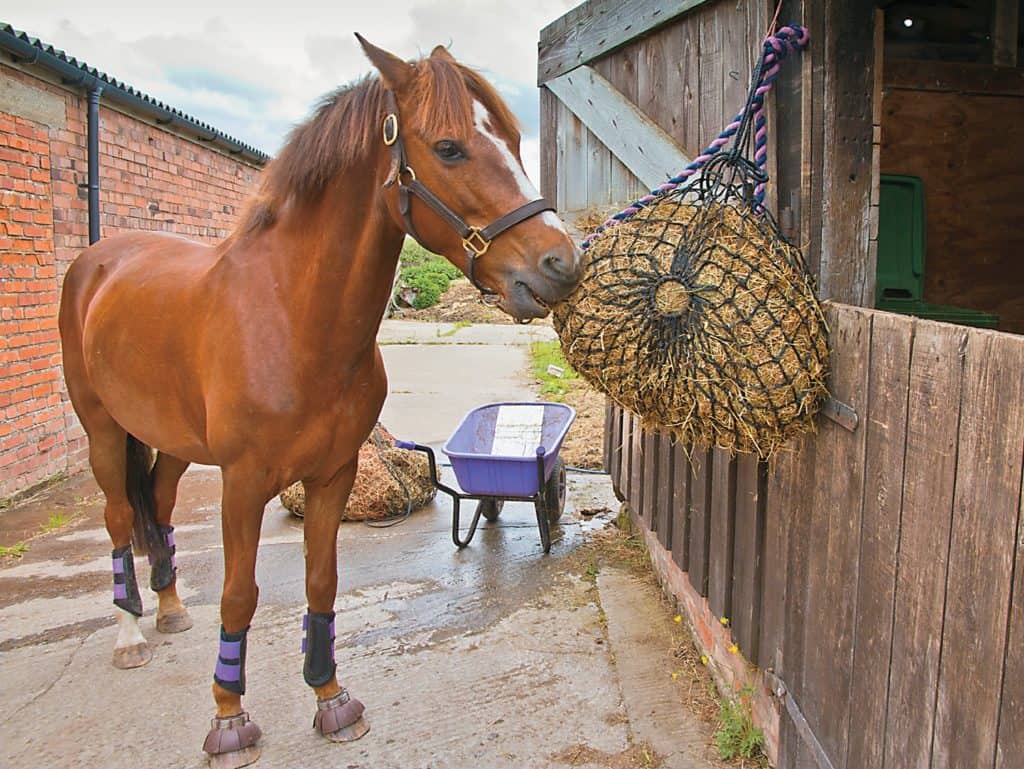
Common feeding practices could be causing your horse’s stomach acid levels to rise.
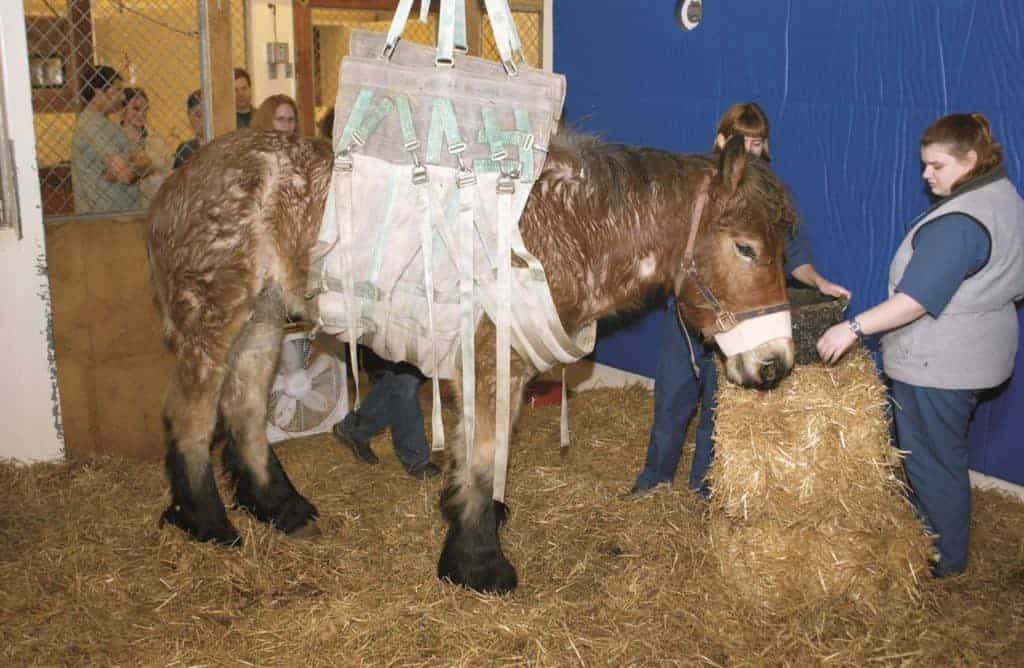
Go step-by-step through the experience of botulism diagnosis and treatment with Dr. Daniela Luethy.

A 5-year-old mare from Monmouth County was vaccinated against EEE in 2017, but not in 2018. She was euthanized Aug. 18.

Animal health officials have confirmed WNV in Montana horses in Blaine, Cascade, Lewis and Clark, Powder River, Wheatland, and Yellowstone counties.
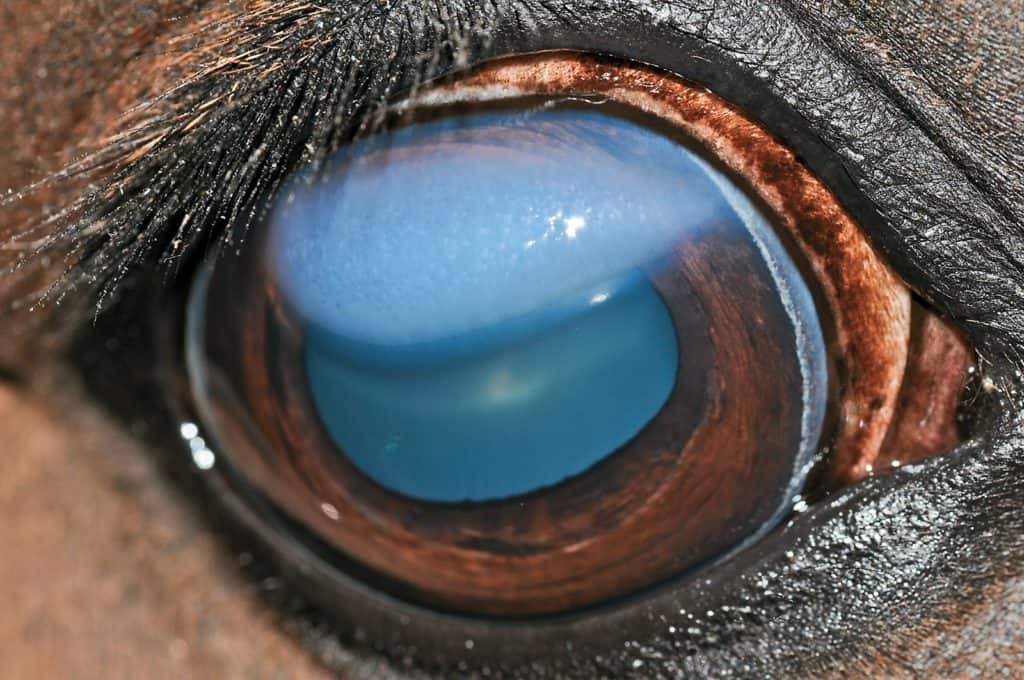
A number of things—some benign, some serious—can cause a cloudy eye. Here’s what you need to know.

A Kentucky Thoroughbred farm is reaping the benefits of healthier mares and foals after making horse pasture renovations over the past year with guidance from University of Kentucky personnel.
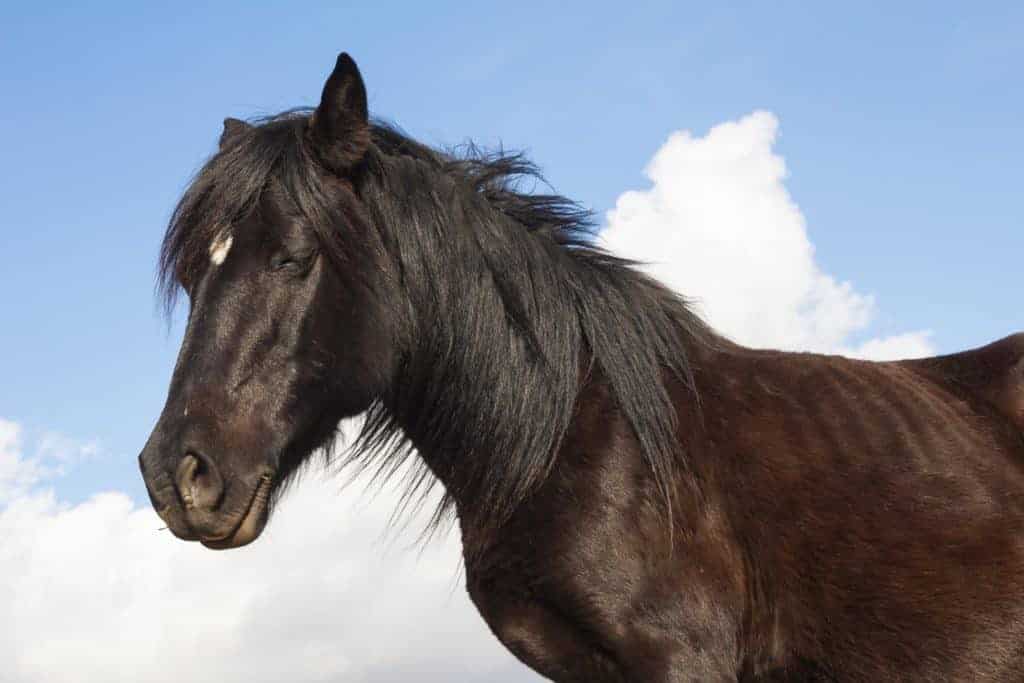
Horses that don’t compete aren’t immune to gastric ulcer formation. Here’s what to watch for.

Two unvaccinated horses in Northeast Ohio have tested positive for West Nile virus (WNV). These are the first cases of WNV in Ohio horses identified this year.

Find out where botulism cases are most prevalent and if your horse is at-risk from Dr. Daniela Luethy.

Dr. Daniela Luethy covers recommendations for the botulism vaccination and booster series for horses.

These bring the total number of confirmed equine WNV cases in California to five so far this year.

A Larimer County horse has been diagnosed with West Nile virus; this is the first case of WNV in Colorado horses confirmed in 2018.

Dr. Daniela Luethy outlines the signs a horse might have botulism, including muscle weakness, lethargy, and the inability to eat.