Helping Horses Cope With and Recover From Poor Air Quality
Poor air quality from wildfire smoke can be very dangerous for horses. An equine internal medicine specialist offers advice.

Poor air quality from wildfire smoke can be very dangerous for horses. An equine internal medicine specialist offers advice.

These difficult-to-diagnose conditions can undermine a horse’s balance and coordination.
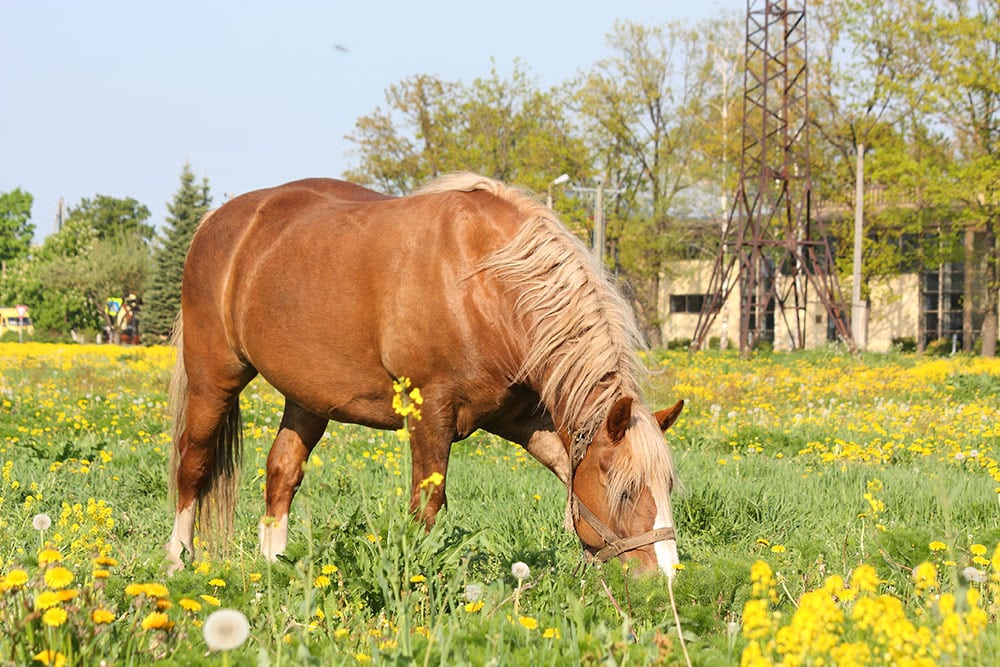
Horses with ID are at greater risk of developing laminitis. Knowing if your horse has a metabolic problem can help you prevent this painful condition.

Understanding how your growing foal’s digestive system works can help you recognize and avoid potential problems.

One equine nutritionist explains how to ensure your horse’s diet does not contain dangerous levels of sugar.

Knowing the causes of colic in horses, treatment options, and why referral might be necessary can give your horse a better outcome in a colic emergency.

Reacting quickly and correctly to an episode of HAL will give your horse a greater chance for future soundness.

The decision about riding horses recovering from EPM and other diseases, one vet says, involves balancing rider safety, liability concerns, and animal welfare.

When managing laminitic horses, making dietary changes is often necessary for the success of other treatment efforts.

Researchers have developed a new recommendation for horses being treated with the drug for a period of eight weeks.

Learn why horses with ID might be more likely to develop other conditions such as laminitis and what you and your vet can do to prevent and treat them.

Learn why some horses are more likely to develop EMS and associated laminitis and how to tell if your horse is at risk.

West Nile virus has infected more than 29,000 U.S. horses since 1999. Learn about the disease and how to protect your horses in this updated interactive feature.

Learn about signs of Potomac horse fever, treatment, and prevention.

Learn about the 4 stages of wound repair and the steps you can take to help your horse’s wounds heal.

Discover what researchers are learning about the microbiota’s role in the horse’s digestive system, respiratory tract, skin, and more.