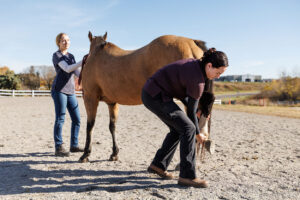
Colorado Horses Confirmed With Neurologic EHV-1
The horses from separate premises recently traveled together to an event in Scottsdale, Arizona.

The horses from separate premises recently traveled together to an event in Scottsdale, Arizona.

Officials have cleared Blackwood’s training barn A.
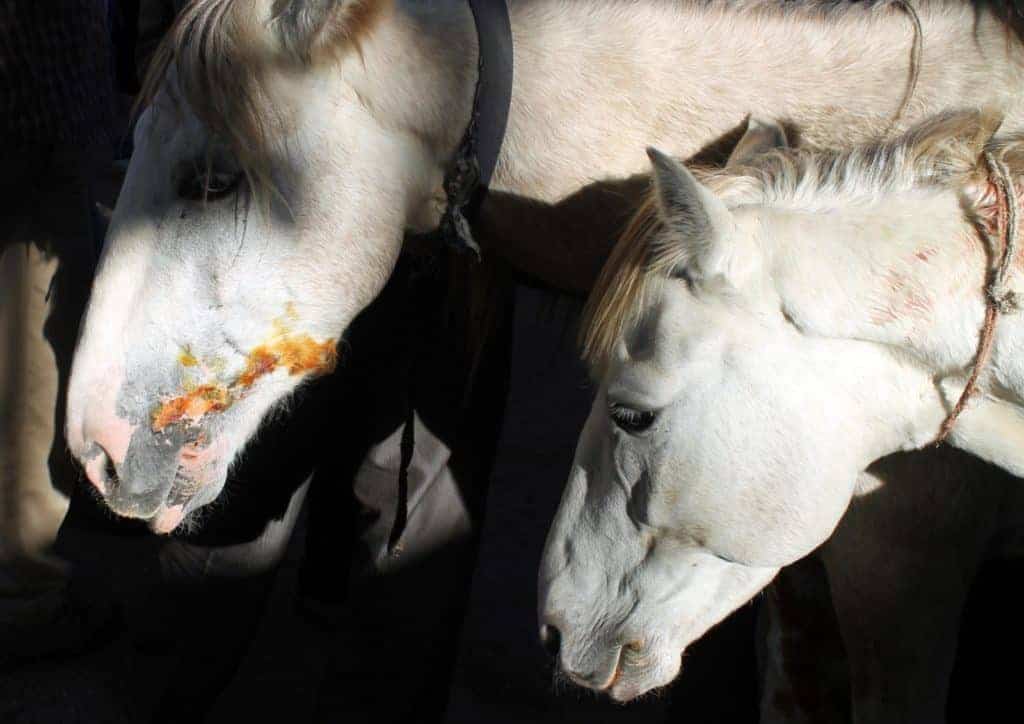
The fungal disease, found in Africa, the Middle East, Russia, and Asia, causes significant illness and progressive debility in affected equids.

Efforts are underway to determine the role of the virus in a current outbreak of diarrheal disease in Central Kentucky foals.

Over the past few decades veterinarians and researchers have investigated major EHV-1 outbreaks in the U.S. to learn more about how to contain and prevent future occurrences.

In the wake of EHV at Pimlico, approval is needed to move horses onto Kentucky tracks.

The horse’s boarding facility has been placed under voluntary quarantine.

Texas animal health staff, owners, and local veterinarians are working together to implement biosecurity protocols and monitor potentially exposed horses.

No further cases were reported at the Santa Clara County premises within 14 days.

All six affected horses survived the potentially deadly virus.

Pimlico and Laurel Park have suspended racing to mitigate EHV cases.
The state does not presently have any EHV-1 cases or quarantines in effect.
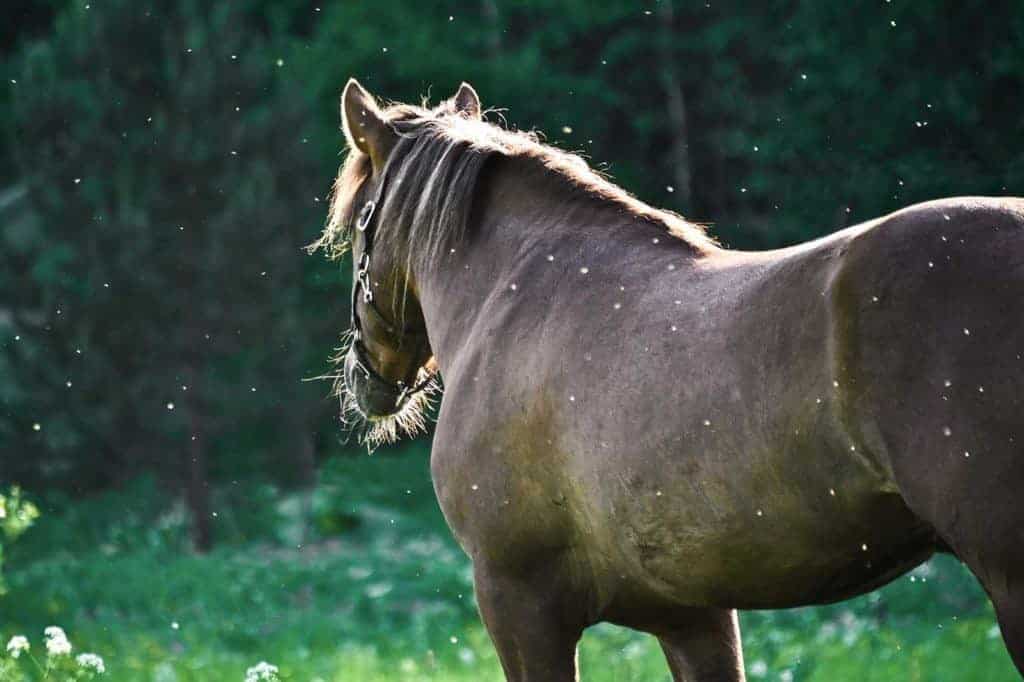
Learn about Eastern equine encephalomyelitis (EEE), Western equine encephalomyelitis (WEE), and West Nile virus (WNV) and how you can best protect your horse.
One barn released from quarantine, with additional barn to be retested later this week.

The case, located at the Winter Equestrian Festival, is unrelated to either of the state’s previous outbreaks this year.

Release of the index horse follows the release of the premises on March 24.