Kentucky Directs State’s Tracks Regarding Pimlico Horses
In the wake of EHV at Pimlico, approval is needed to move horses onto Kentucky tracks.

In the wake of EHV at Pimlico, approval is needed to move horses onto Kentucky tracks.

The horse’s boarding facility has been placed under voluntary quarantine.

Texas animal health staff, owners, and local veterinarians are working together to implement biosecurity protocols and monitor potentially exposed horses.

No further cases were reported at the Santa Clara County premises within 14 days.

All six affected horses survived the potentially deadly virus.

Pimlico and Laurel Park have suspended racing to mitigate EHV cases.
The state does not presently have any EHV-1 cases or quarantines in effect.
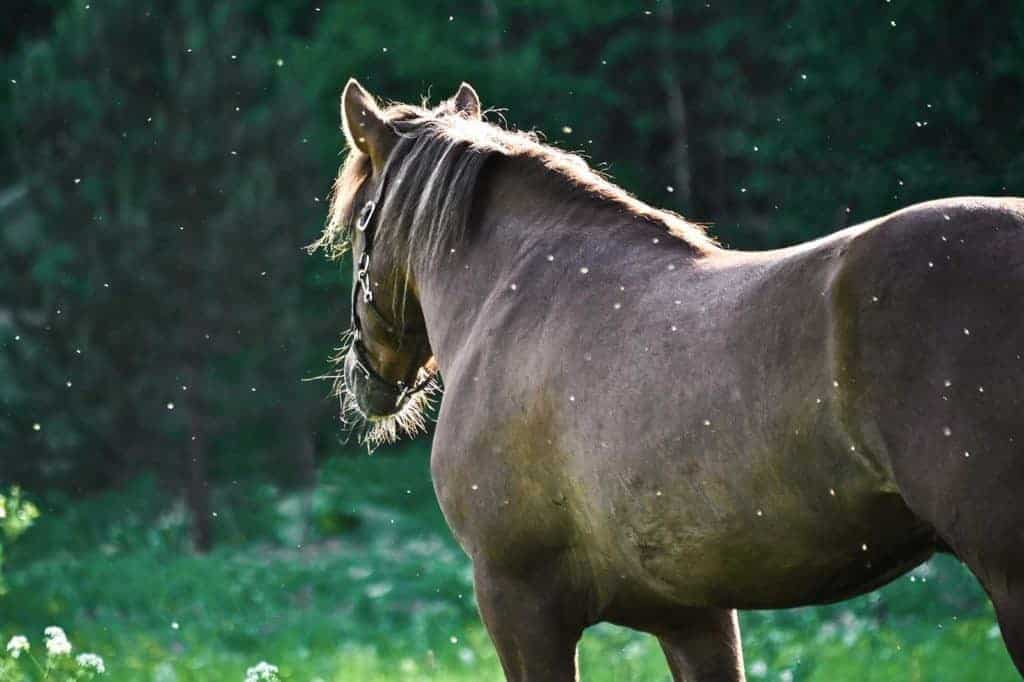
Learn about Eastern equine encephalomyelitis (EEE), Western equine encephalomyelitis (WEE), and West Nile virus (WNV) and how you can best protect your horse.

One barn released from quarantine, with additional barn to be retested later this week.

The case, located at the Winter Equestrian Festival, is unrelated to either of the state’s previous outbreaks this year.

Release of the index horse follows the release of the premises on March 24.

Any nasal drainage can be an important indicator of a horse’s health and can even herald an emergency. Learn about 6 snotty nose scenarios and possible causes.

More than 21 days have elapsed since the last horse exhibited fever.

The Quarter Horse from Parker County is the state’s first confirmed case of EHM this year.

Three horses at the private facility were exposed after the affected horse arrived from Mexico.

Hospitalized geriatric horses that recovered from severe colitis showed positive changes in their gut microbiota after receiving diluted feces from healthy horse donors.