Test Type and Timing Decisions for PPID Horses
The primary factors that influence equine Cushing’s test selection are season and severity and number of clinical signs.

The primary factors that influence equine Cushing’s test selection are season and severity and number of clinical signs.

A team of emergency and large animal rescue professionals saved a hypothermic mare stuck in a creek.

Veterinarians should consider ultrasound to diagnose hock sprains in horses and guide the rehabilitation process.

Tendon and ligament injuries are leading causes of poor performance in horses. Learn about different conventional and therapeutic treatment modalities in this visual guide.

Experts answer common questions about this crippling condition that affects horses of all breeds, disciplines, and ages.

Early diagnosis and appropriate management, including pergolide, can help improve PPID horses’ quality of life. Learn more in this free download, sponsored by Boehringer Ingelheim.
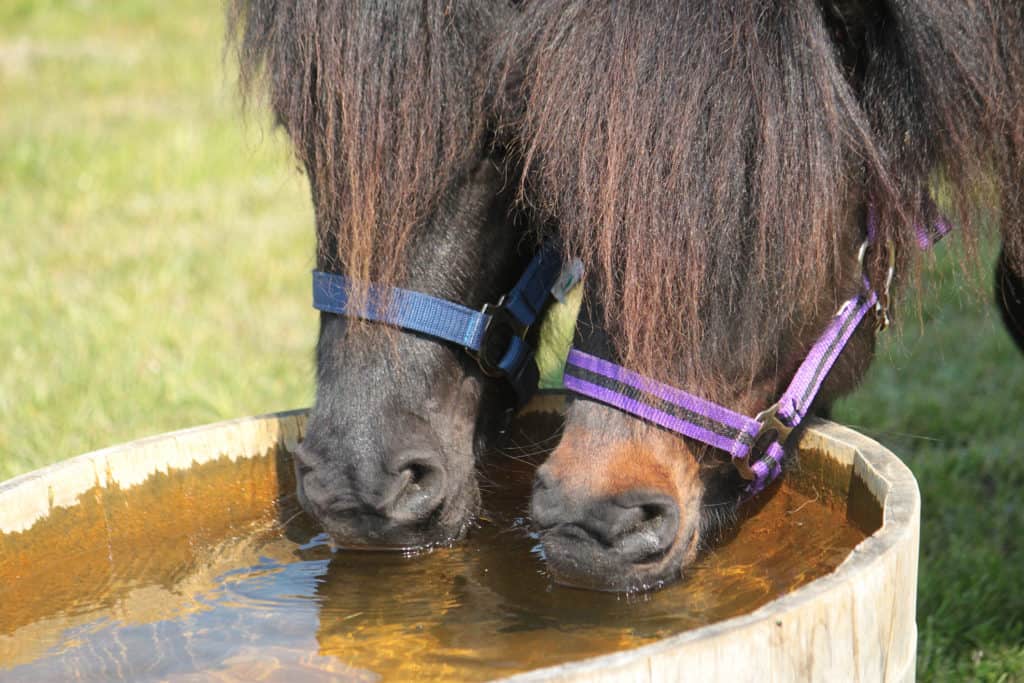
We consulted two equine nutritionists to answer your burning questions about horse hydration. Here’s what you need to know.
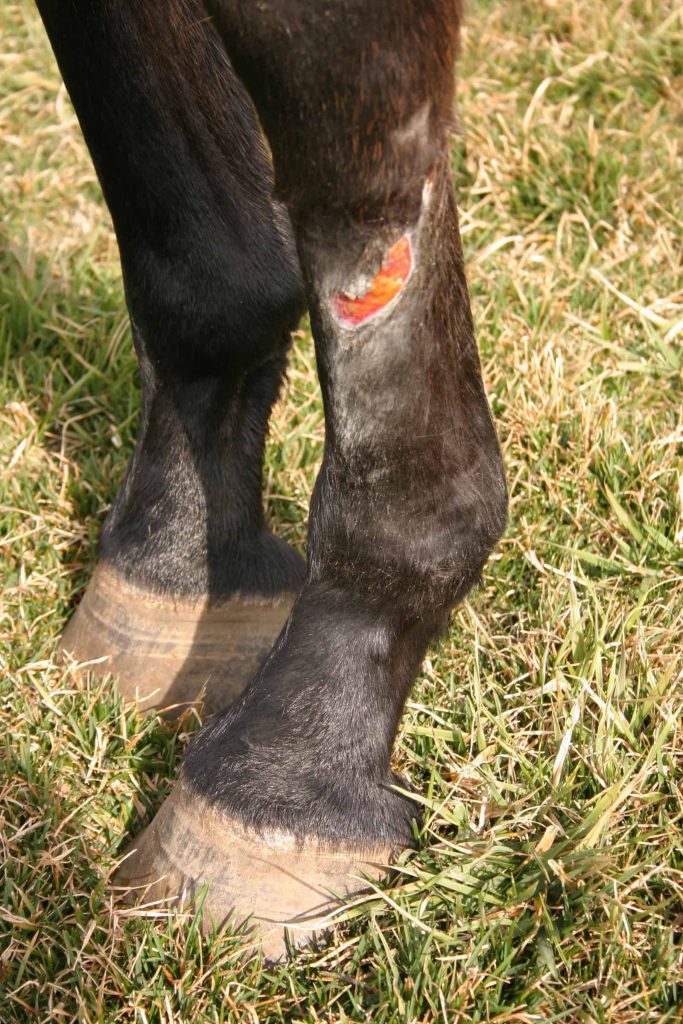
Researchers have determined this wound dressing might help encourage better wound healing and reduce proud flesh formation.

Owners often care for donkeys as they would horses despite distinct differences between the species. Researchers are seeking to change this.

Learn about three regenerative modalities commonly used in equine medicine, when veterinarians and horse owners might consider each, and what’s to come.
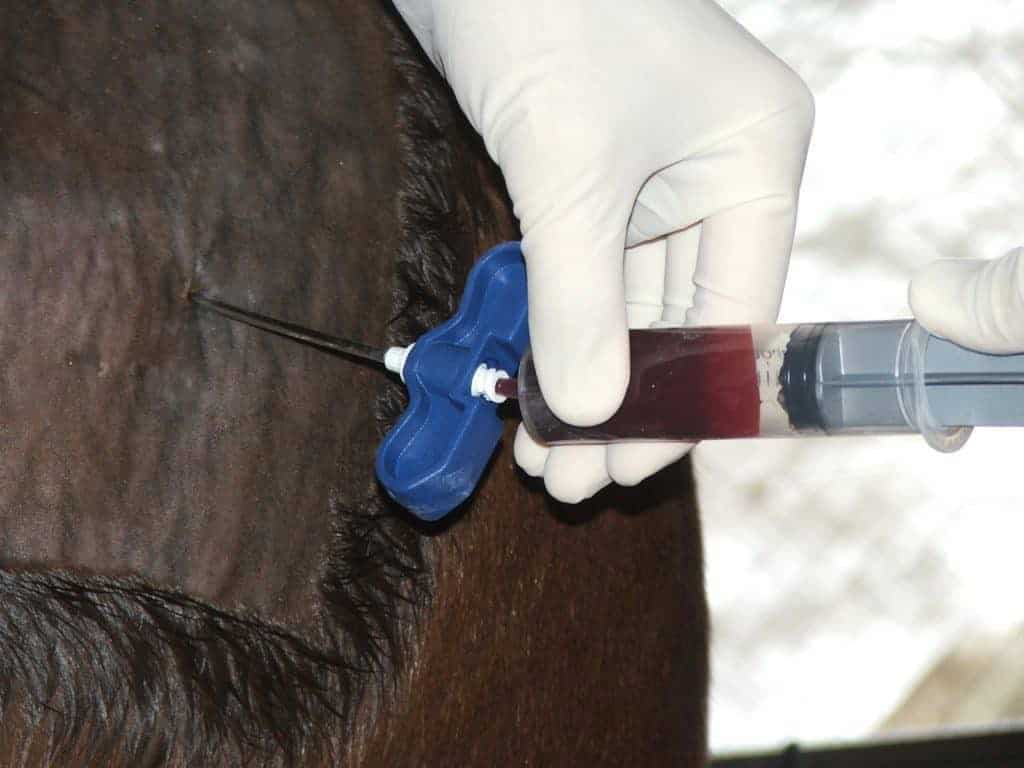
Learn about three regenerative modalities commonly used in equine medicine, when veterinarians and horse owners might consider each, and what’s to come.

Learn how to support your horse’s gut microbiome in this episode of Ask TheHorse Live. Sponsored by Purina.
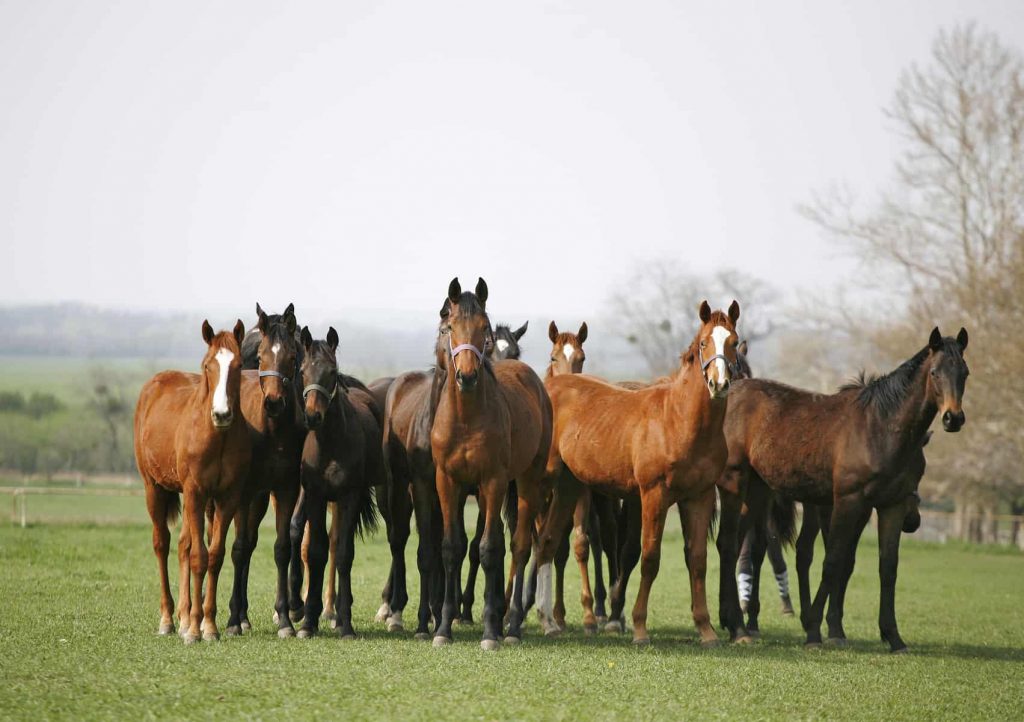
Horses that live in group pasture settings showed an increased ability to learn human cues, regardless of their relationship to the person.

The RHpE can be used to help detect musculoskeletal pain in horses caused by limb lameness and poor saddle fit.

The ponies in this research group learned to distinguish between 5 letters and select them on a touch screen.

New imaging techniques might make examining abnormalities of the fetlock easier for equine veterinarians.