Feeding to Keep ‘Normal’ Horses Normal
With much research surrounding how to feed “abnormal” horses, how can we feed “normal” horses to avoid disease? One expert weighs in.

With much research surrounding how to feed “abnormal” horses, how can we feed “normal” horses to avoid disease? One expert weighs in.

Should you consider purchasing a horse with arthritis? An equine researcher explains the risk.
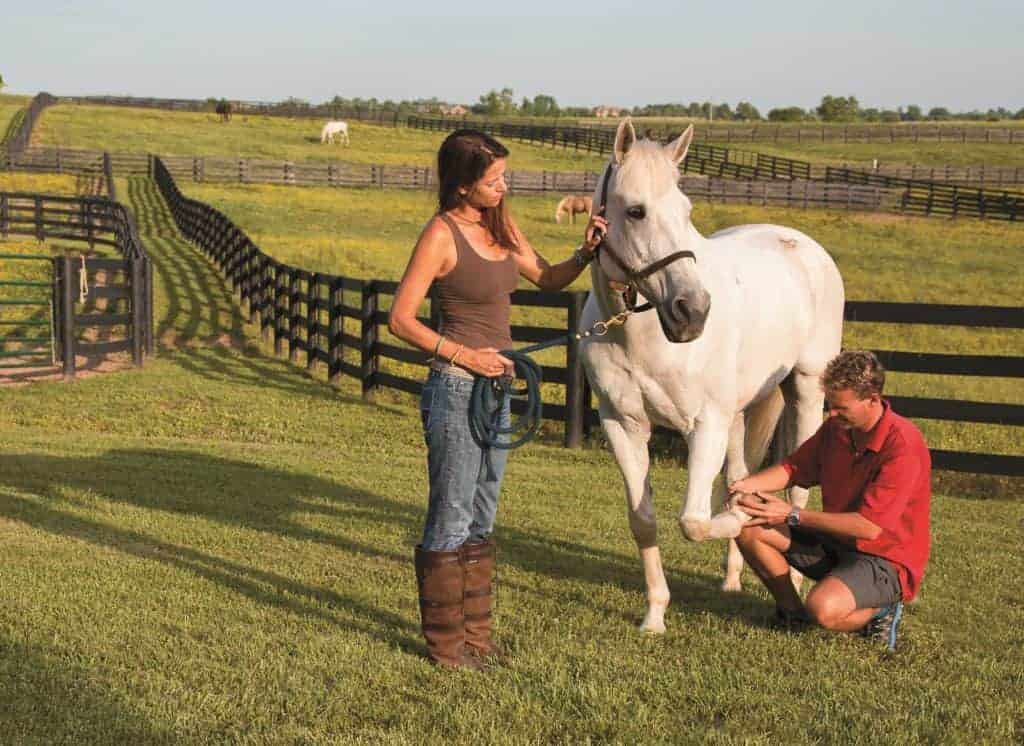
Punctures, abscesses, and worse: What to do when your horse’s hoof is hurting and whom to call for help.

Modalities ranging from PEMF to vibration plates might help manage equine injury or improve performance.

When a horse’s healing process gets derailed, wounds can become chronic. Here’s how to prevent complications.

Tendon and ligament injuries are leading causes of poor performance in horses. Learn about different conventional and therapeutic treatment modalities in this visual guide.

Experts answer common questions about this crippling condition that affects horses of all breeds, disciplines, and ages.
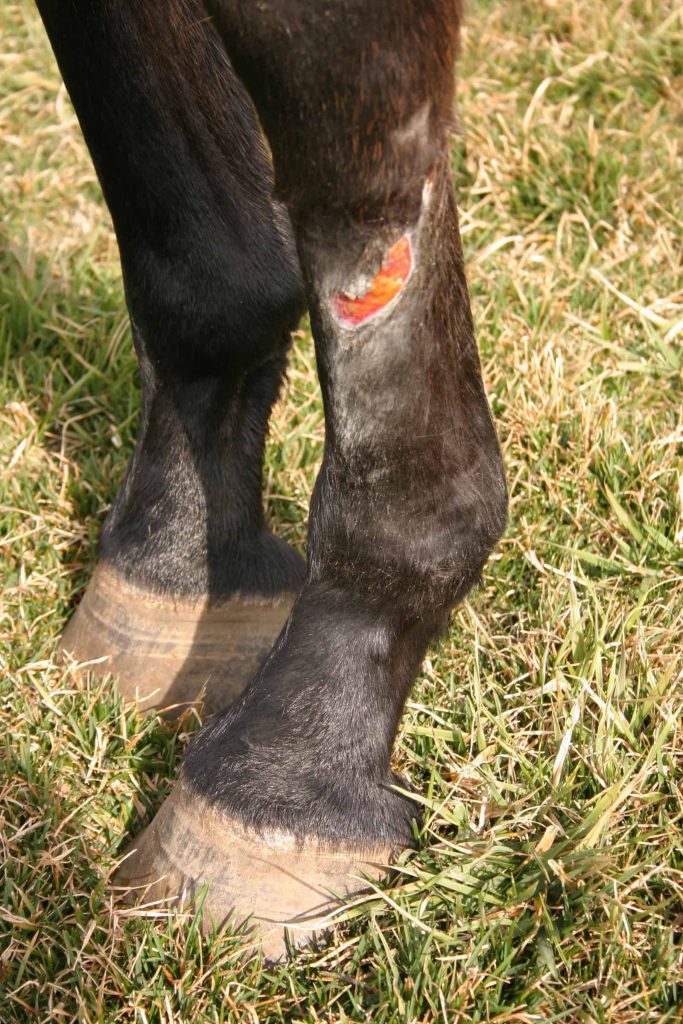
Researchers have determined this wound dressing might help encourage better wound healing and reduce proud flesh formation.

Learn why your horse might be exhibiting undesirable behaviors and what you can do to change them.

Using orthobiologics to treat tendon and ligament injuries might help lengthen a horse’s career and minimize associated joint issues and chronic pain.

Learn about three regenerative modalities commonly used in equine medicine, when veterinarians and horse owners might consider each, and what’s to come.
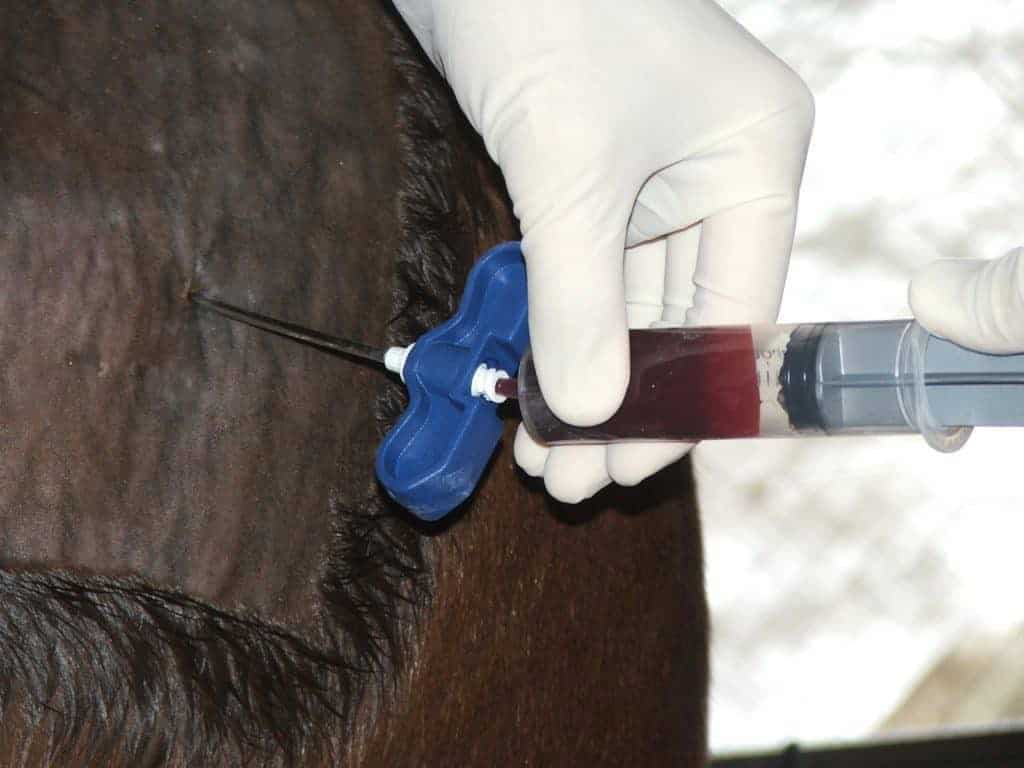
Learn about three regenerative modalities commonly used in equine medicine, when veterinarians and horse owners might consider each, and what’s to come.
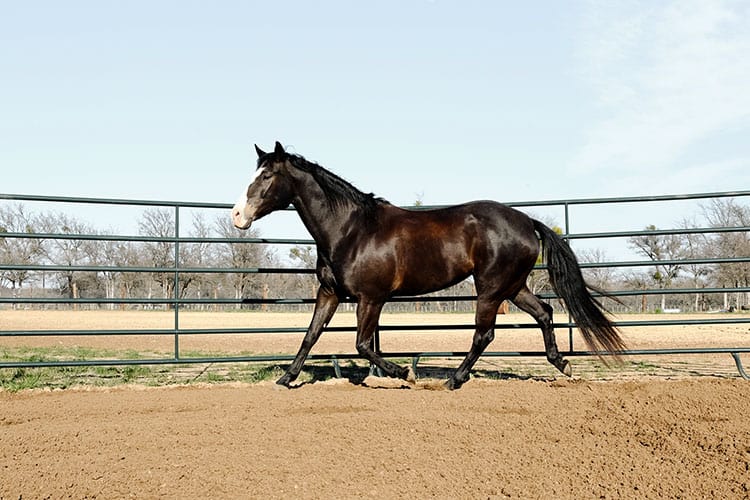
Exercise significantly affects risk of gastric ulcer development in horses, particularly in the glandular region, which underscores the need for management precautions.

Spirulina might be a beneficial supplement for horses due to its protective effect seen in other species’ joint cartilage.

Radiographs can advise buyers and their veterinarians about pathologies that might pose a threat to the horse’s future soundness.

The RHpE can be used to help detect musculoskeletal pain in horses caused by limb lameness and poor saddle fit.