Using AI to Assess Gait Changes in Event Horses
Artificial intelligence technology might be able to assist veterinarians in making recommendations to riders about their horse’s performance.

Artificial intelligence technology might be able to assist veterinarians in making recommendations to riders about their horse’s performance.
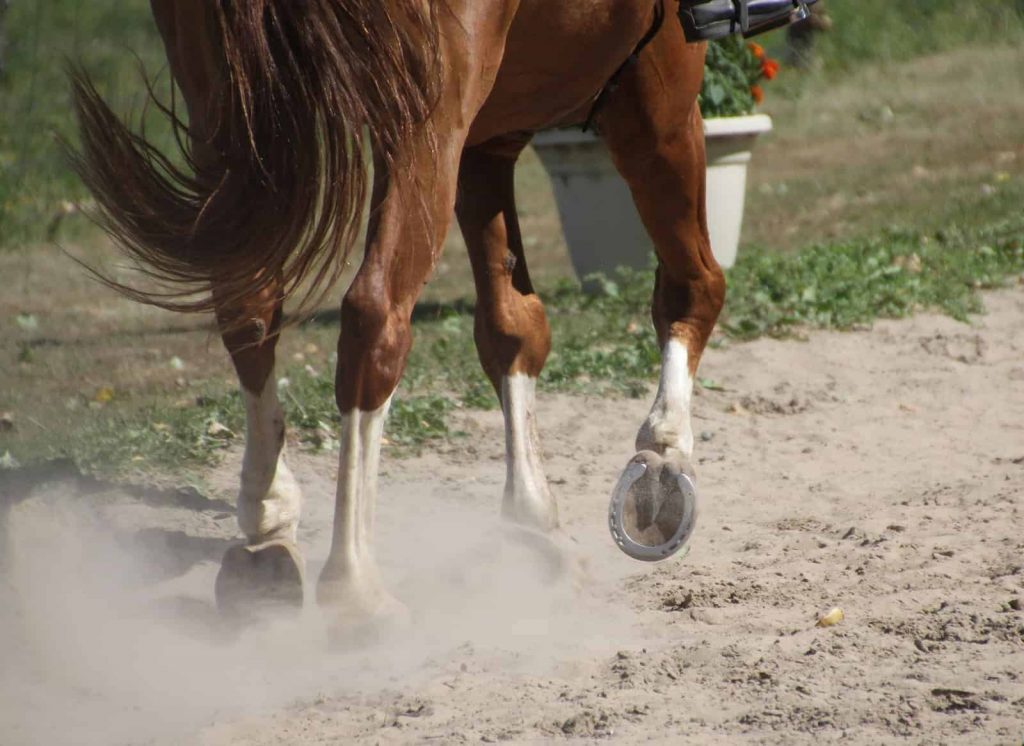
Study findings suggests a biomarker found in horses’ saliva can reveal the level of stress on a horse’s bones and joints during work.

Here’s how to implement feed and exercise changes for horses that are overweight or obese.

Based on a recent horse owner survey, researchers report the most common mistakes made when creating equine diets. Oversupplying calories tops the list.

Read about the science behind equine PAAG products.
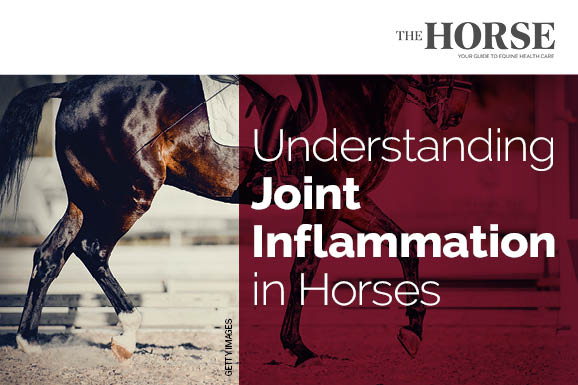
Use this visual guide to understand how equine arthritis develops and how horses’ joints can degrade over time.
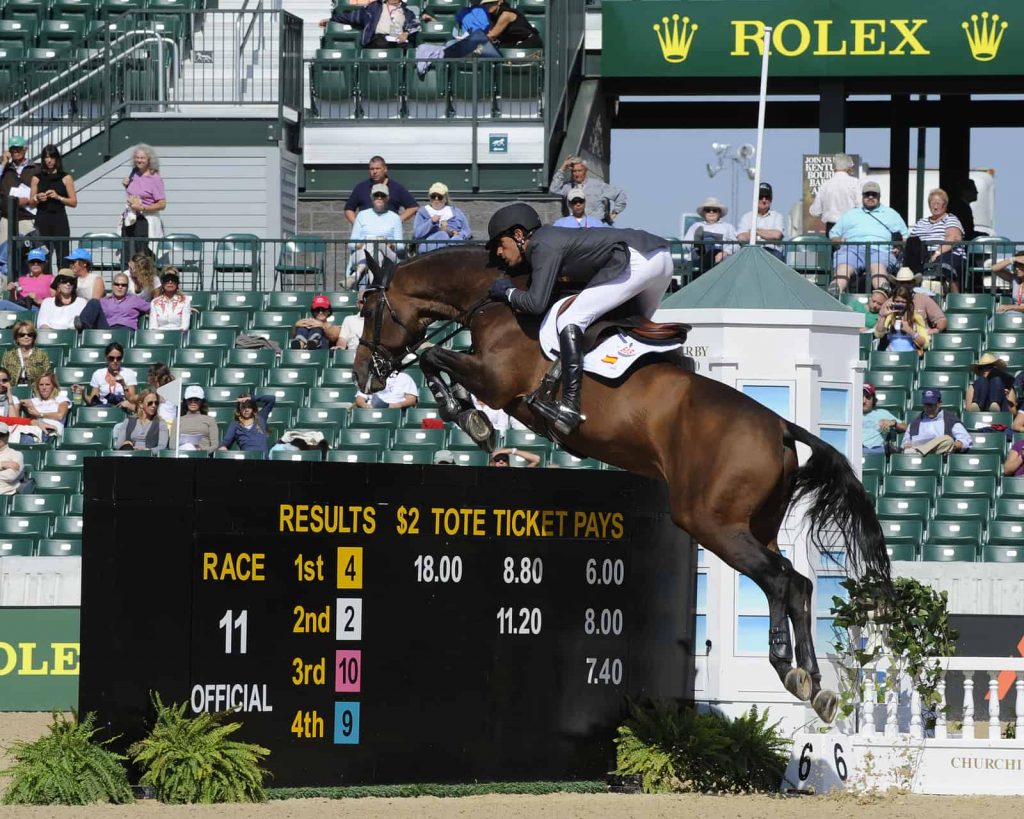
These therapies can be beneficial in treating pathologies of the cartilage and synovium in horse joints.

Tying-up is a painful muscle condition in horses. An equine nutritionist offers advice on how to balance your horse’s diet to decrease the likelihood of an episode.

No horse is perfect, and many with conformational flaws go on to compete successfully. What can you live with and how?
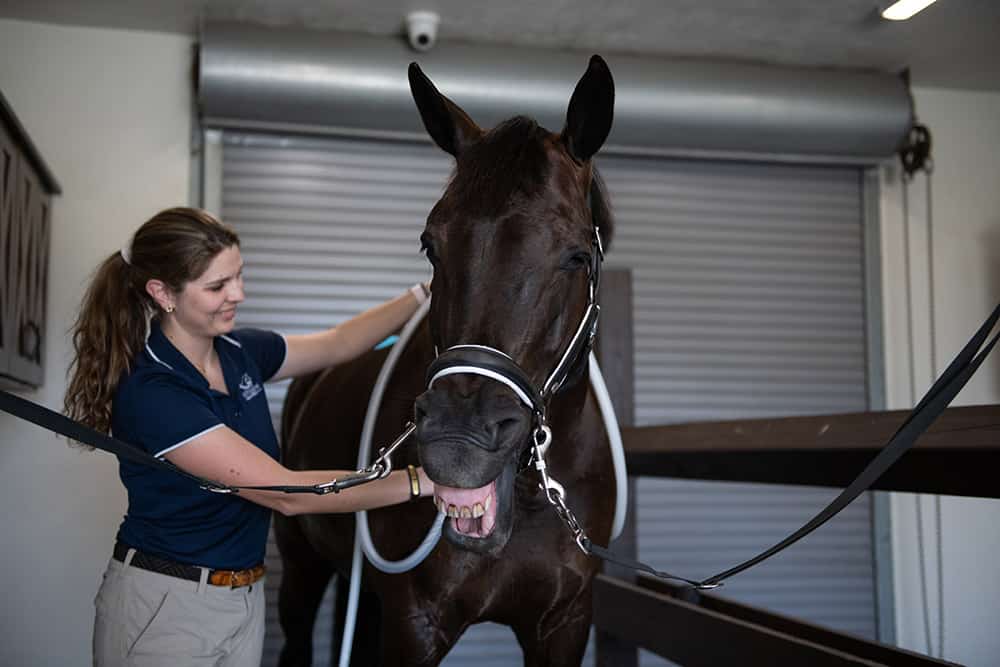
New research suggests low PEMF treatment settings might not have many physical effects on performance horses.
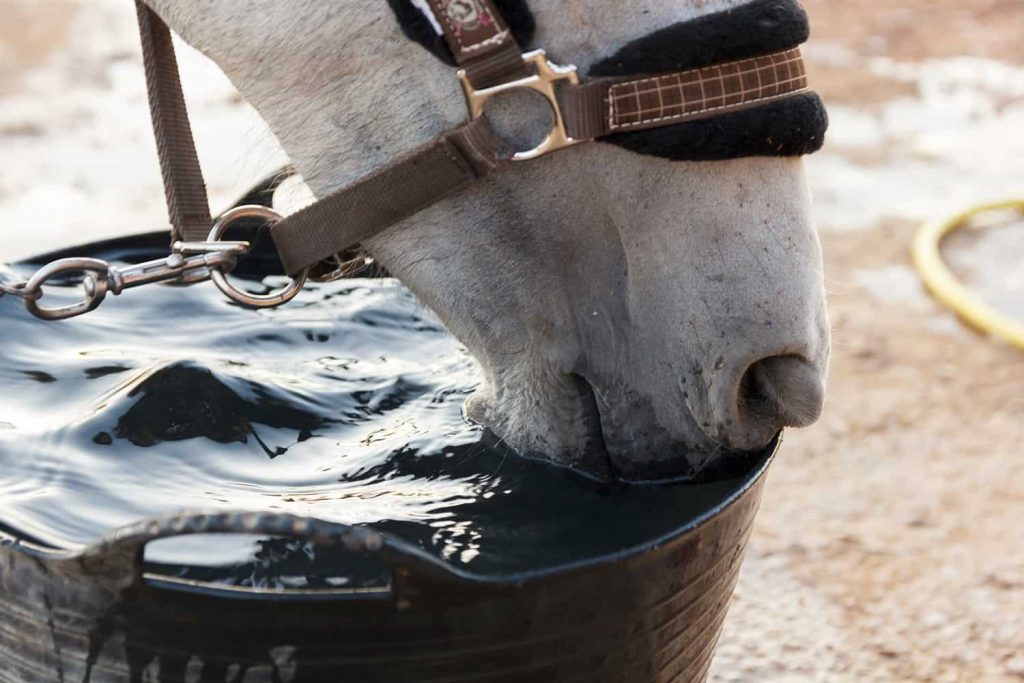
New research shows that electrolyte supplementation might not be necessary for horses in light to moderate work.

Multifidus muscle pain and atrophy in horses can cause many problems, including back pain, poor core strength, and limb lameness.

How can you best support your competitive show horse? Start with what fuels the fire. Sponsored by Vitalize.

Veterinarians across the U.S. share their most successful diagnostic methods and treatments for back pain in horses.
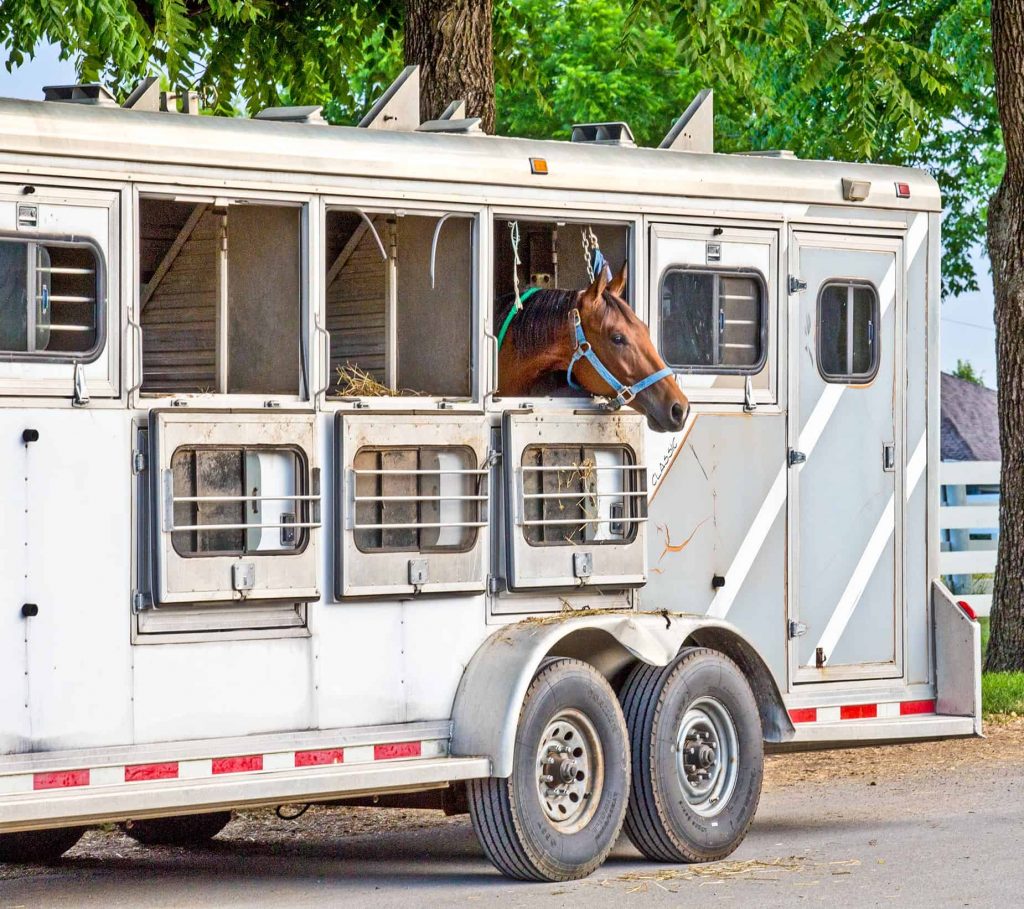
Horses’ gut microbiomes changed less during stressful situations when the supplement was on board.

An equine veterinarian’s rehabilitation plan depends on whether the horse received surgical or nonsurgical treatment.