Creating a Nutrition Plan for the Competition Horse
Equine athletes have specific nutritional needs that must be met to keep them performing their best. Sponsored by Purina.

Equine athletes have specific nutritional needs that must be met to keep them performing their best. Sponsored by Purina.

Horses can go lame for a variety of reasons. Here are 4 common causes of lameness and their treatment options.

Recurrent airway obstruction is a medical condition, but feed changes might help your horse breathe better.

Does alfalfa cause kidney or respiratory problems or make horses hyper? Specialists shed light on these myths and more.

When used properly, this injectable can be an effective substitute for traditional joint therapies for managing horses with osteoarthritis.
Adiposity can cause a variety of health problems in performance horses, from heat stress to arthritis.

If your horse is acting naughty when handled or ridden, he might be trying to avoid pain somewhere in his body.

New research shows sport horses had increased hock angles when the hind hooves were shod and might show reduced lameness.

Researchers discussed the complications 212 veterinarians experienced after performing sacroiliac joint region injections.
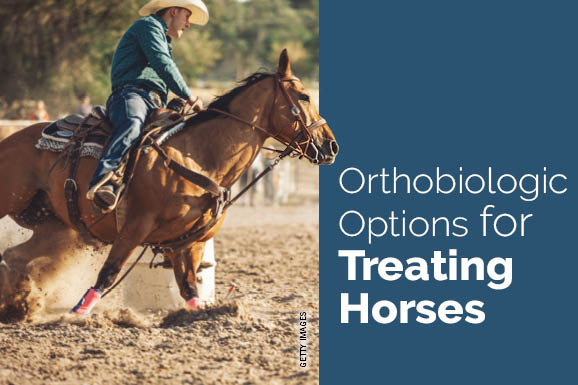
Orthobiologics are emerging tools in veterinary medicine that use the body’s natural defense mechanisms to treat a variety of musculoskeletal problems.
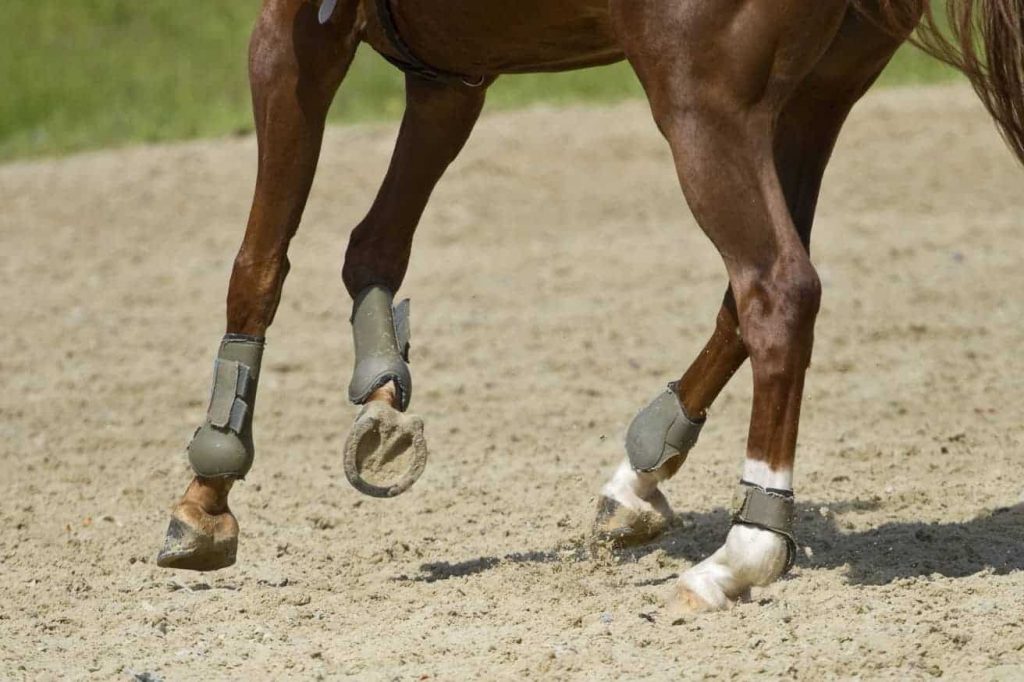
A higher-frequency transducer increased diagnostic accuracy for both suspensory ligament branches and distal sesamoidean ligaments.

My horse is turned out to pasture for at least part of each day. Every winter he gets scratches. Is there anything I can do nutritionally that might help prevent this?

Heat, humidity, and race distance significantly increase the risk of exertional heat illness in Thoroughbred racehorses on British tracks.
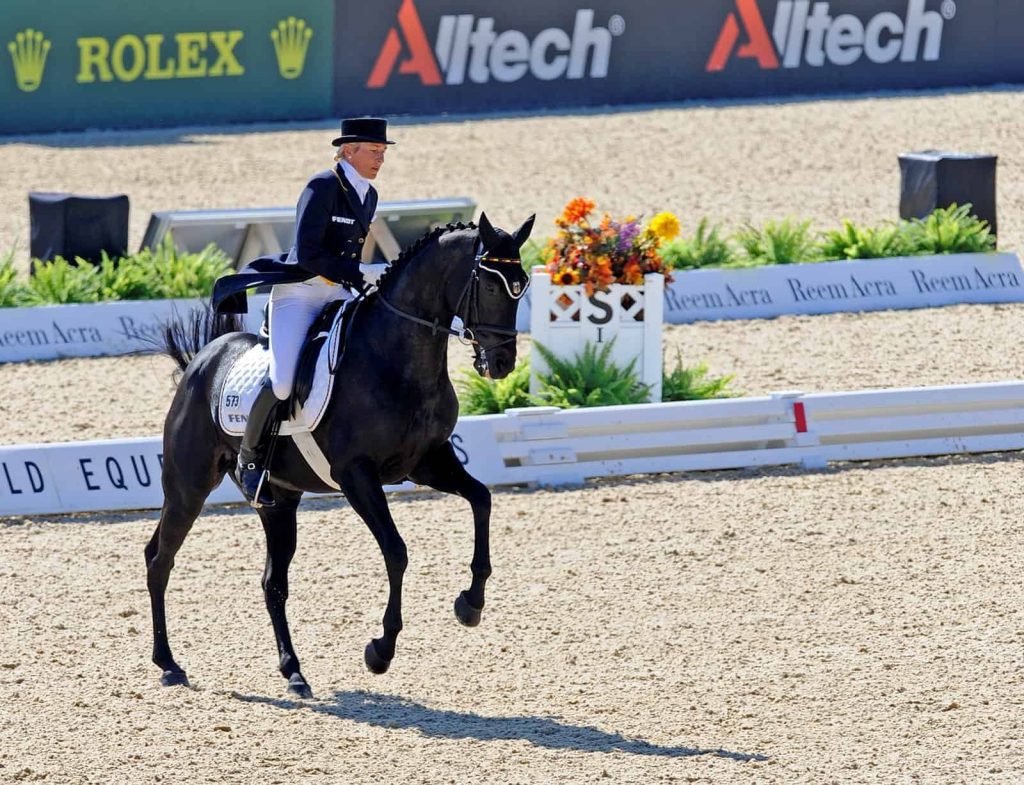
It is important for veterinarians and horse owners to understand the medication rules at high-level competitions when managing pain in equine athletes.

Horses might show a slight asymmetry in their gait without being truly lame.
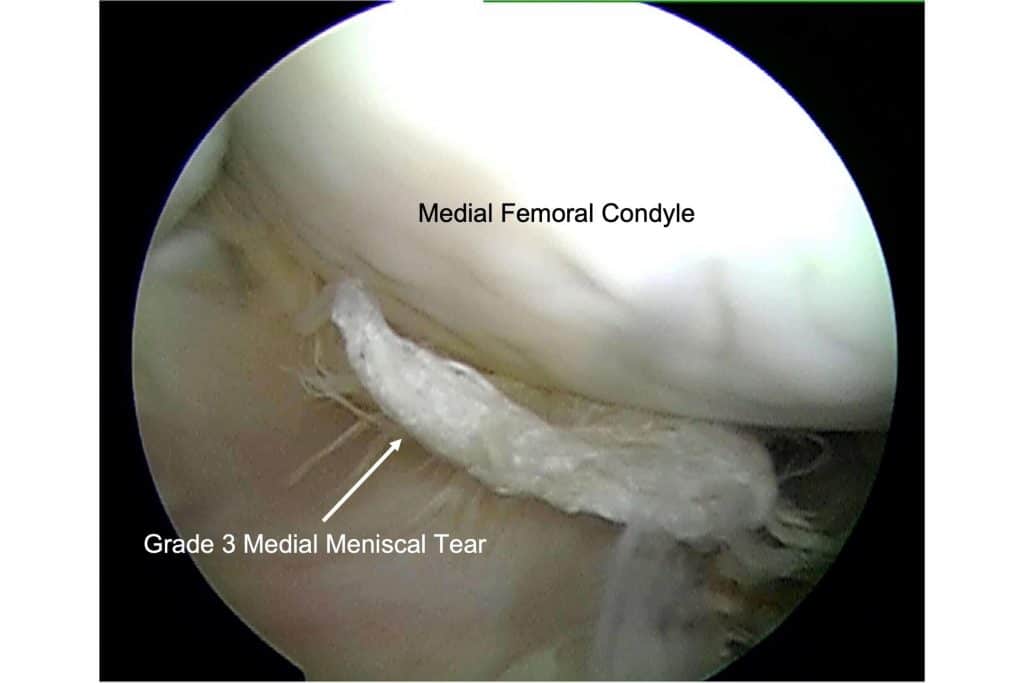
Equine meniscal injuries can cause severe pain and lameness, but if diagnosed and treated properly many horses can return to work.