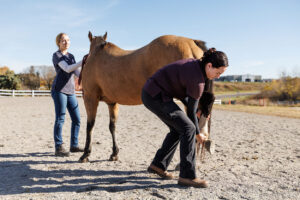
The Vet Tech’s Role in Colic Surgery
Veterinary technicians make important contributions before, during, and after colic surgery. Here’s how they help veterinarians and surgeons during these potentially life-saving procedures.

Veterinary technicians make important contributions before, during, and after colic surgery. Here’s how they help veterinarians and surgeons during these potentially life-saving procedures.

Equine researchers have begun studying the concept of whole-body inflammation because of its links to a variety of health problems, including “leaky gut syndrome”; musculoskeletal injury risk; and equine metabolic syndrome, insulin resistance, and laminitis.

Better surveillance and monitoring of tick and insect populations is needed to establish the range and distribution of the various species with potential to serve as vectors of known mosquito- and tick-borne equine diseases.
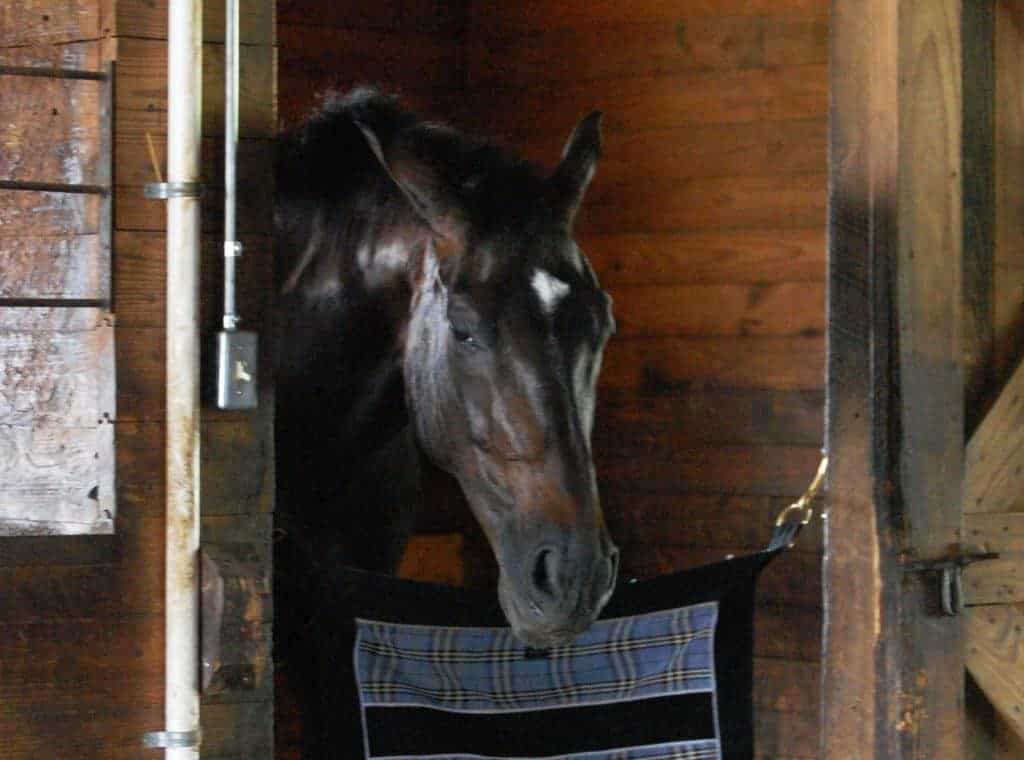
The equine kidney has a vital role in overall health, but a variety of disease processes can impair renal function.

Learn about the core vaccines recommended by the American Association of Equine Practitioners and the five deadly diseases they prevent.

Bare pastures and potential hay shortages, coupled with winds blowing seeds from laden sycamore trees, have created the “perfect storm” to increase the risk of atypical myopathy in grazing horses in Britain, BEVA warns.

Confirmed diseases include equine influenza, equine herpesvirus, piroplasmosis, salmonellosis, rabies, and more.

Certain muscular disorders, such as HYPP and PSSM, are common in horses because breeders have selected for specific traits, including enhanced muscle mass and metabolism economy.
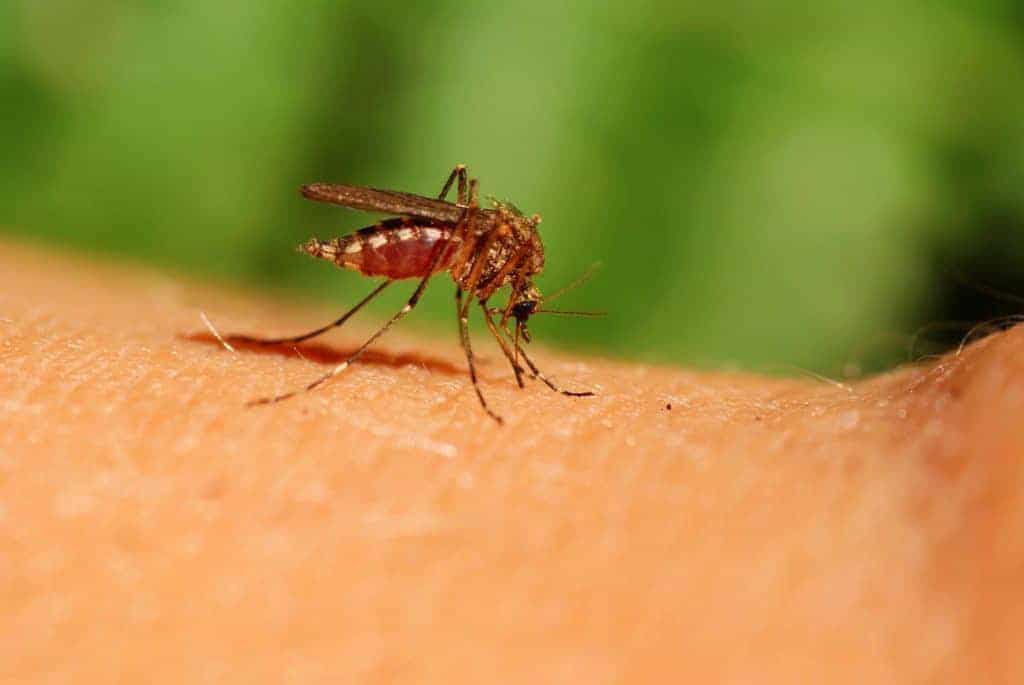
The North Carolina Department of Agriculture and Consumer Services has confirmed a case of equine West Nile virus (WNV) in an unvaccinated horse in Yadkin County.

The affected horse from Bonnyville, Alberta, Canada, had potential exposure to EIA and, at the time of testing, was exhibiting clinical signs compatible with EIA infection

An unvaccinated 16-year-old Tennessee Walking Horse mare presented during the last week of September with a low-grade fever, ataxia, and posterior paresis; she has slowly improved since disease onset.

The unvaccinated 6-year-old Standardbred mare from Todd County presented on Sept. 26 with ataxia and hyperexcitability. Her condition worsened and she was euthanized on Sept. 29.
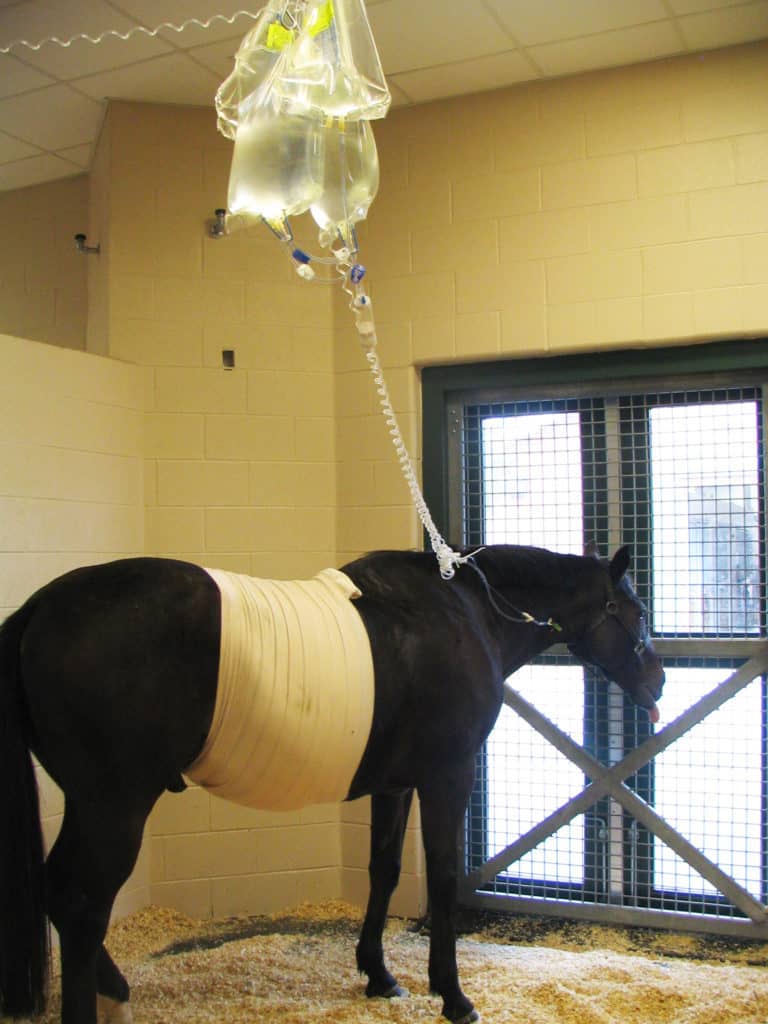
Researchers found that very ill horses with high glucose and insulin levels were more likely to survive, while those with high glucose but low insulin were more likely to die.

The Equine Disease Communication Center reports 152 confirmed cases of WNV thus far in 2018, most of which occurred in unvaccinated horses or those with unknown vaccination histories.

RESPE—the French epidemiological network for equine diseases—works main missions is to monitor equine diseases in France and throughout Europe and to alert the horse industry when a contagious equine disease outbreak is confirmed.

Fall is a great time of year to have your veterinarian perform a wellness check on your horse, including but not limited to a physical exam, an oral exam, vaccinations, and/or a lameness exam.